




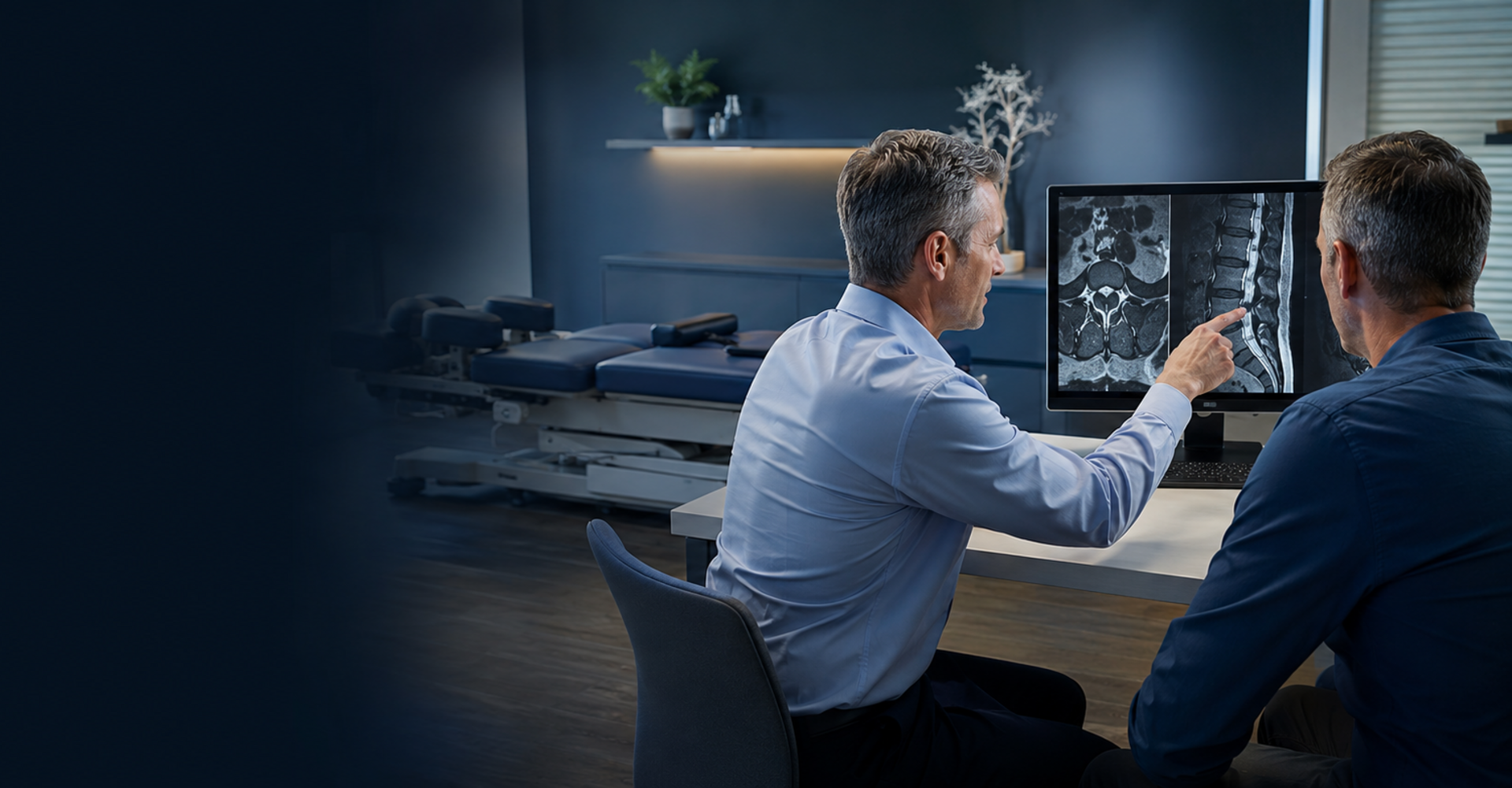
The best treatments for spinal problems
The Spine Page explains back and neck conditions and compares the major treatment options, from conservative care to specialized technologies and surgery.
Explore what the evidence shows, which patient profiles may fit each approach and the questions worth asking before a consultation.
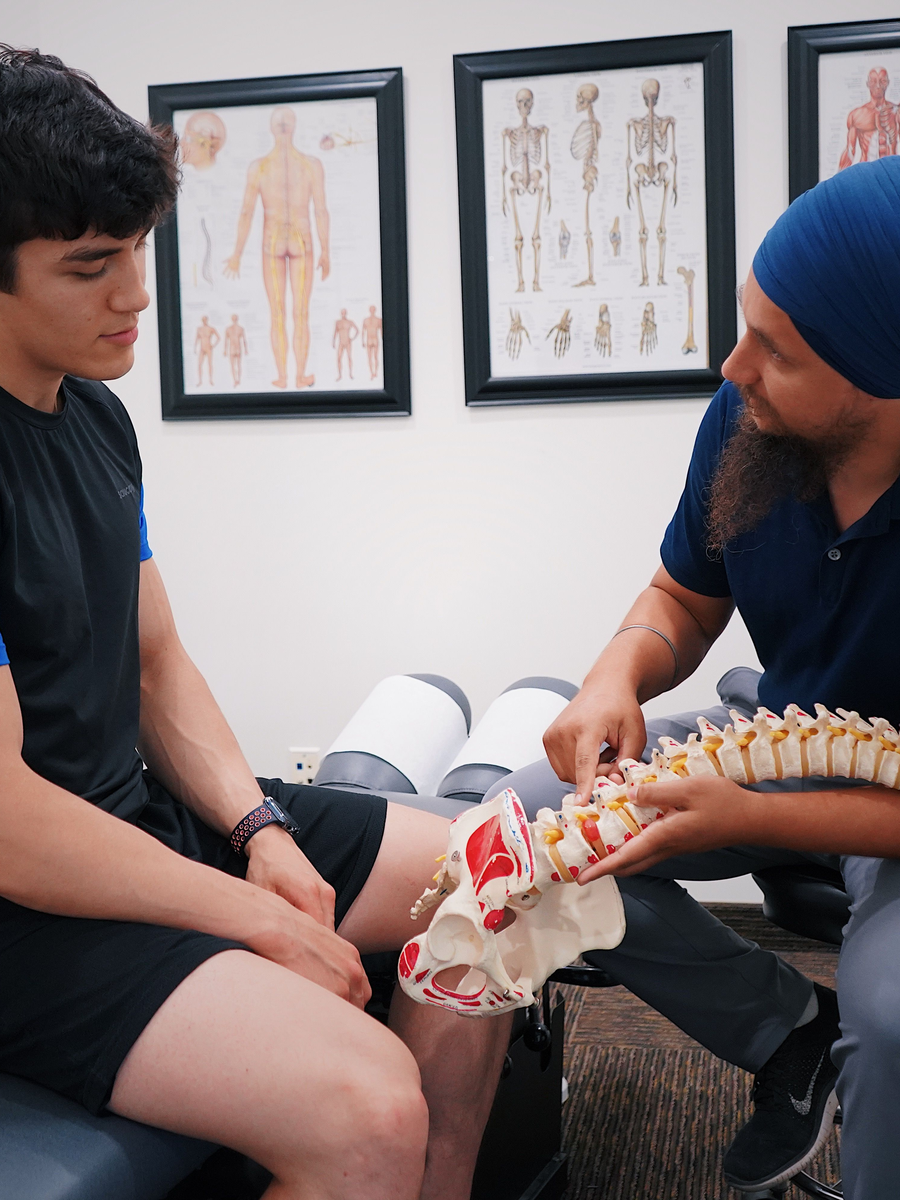
Spinal conditions and symptoms we explain
Articles are organized around symptoms, possible mechanisms, evaluation and treatment options. A diagnostic label alone is not enough. Duration, progression, strength, sensation and the ability to function also influence the treatment pathway.
Herniated and bulging discs
Learn the difference between an imaging finding and a truly symptomatic disc lesion, along with the conservative and surgical options that may be considered.
Sciatica and radicular pain
Understand pain that travels down a leg, L4, L5 and S1 patterns, neurological findings and the symptoms that require prompt assessment.
Foraminal or spinal stenosis
Explore narrowing around a nerve root or within the lumbar canal, neurogenic claudication and the range of management options.
Neck pain and cervical radiculopathy
Distinguish local neck pain from symptoms that travel toward the shoulder blade, arm or hand with numbness, tingling or weakness.
Disc degeneration and osteoarthritis
Put age-related changes into perspective and focus on symptoms and function rather than imaging findings alone.
Persistent back pain
Understand why long-lasting pain can become multifactorial and may require education, graded activity, physical care and sometimes additional interventions.
Four questions to ask before choosing treatment
The most appropriate option depends on the type of condition, the progression of symptoms, the neurological examination and the response to movement or previous care. Non-specific low back pain, a disc herniation with sciatica, lumbar stenosis and progressive weakness do not follow the same pathway.
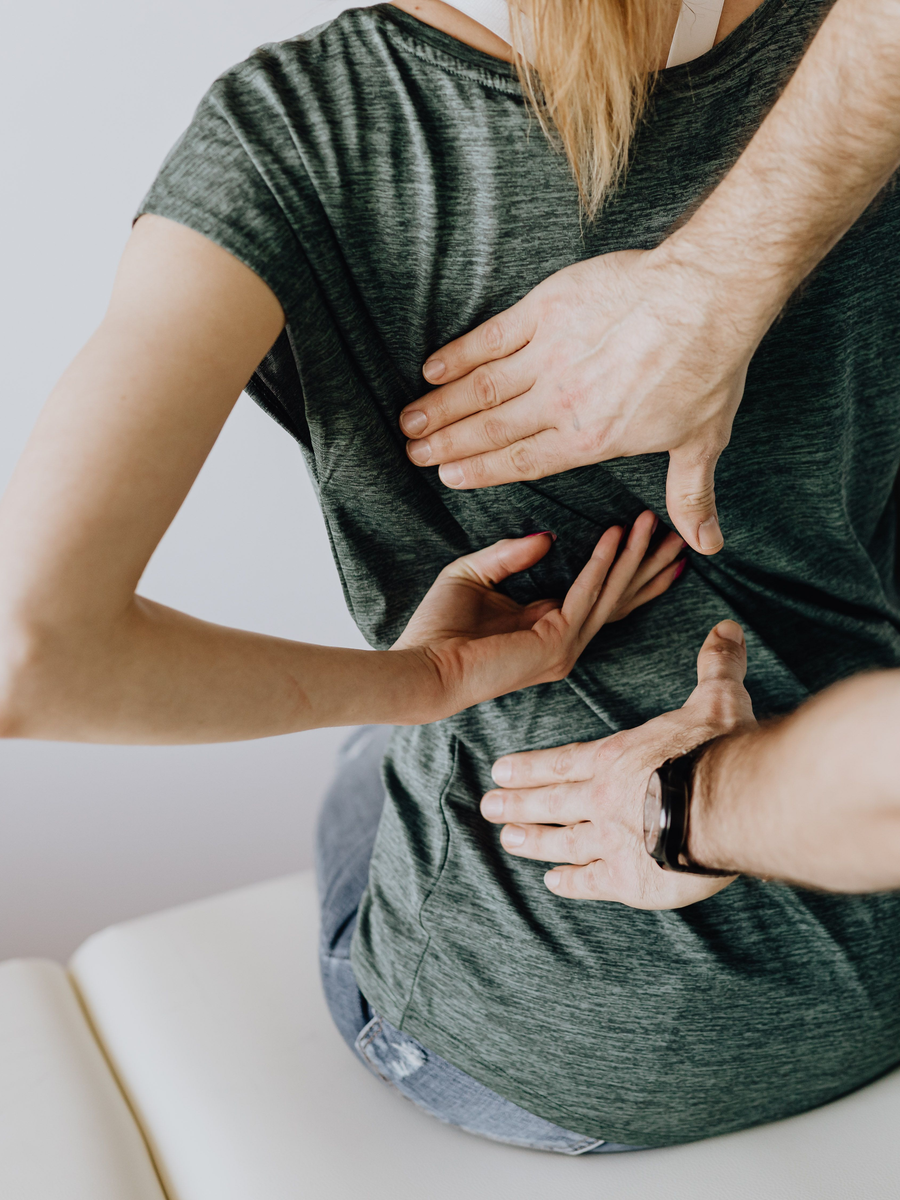
Is the pain local, or does it travel into a limb?
Radiating pain accompanied by numbness, tingling or weakness may justify a more targeted neurological assessment.
Do certain positions improve or worsen the symptoms?
The response to bending, extension, walking or sitting may guide the choice of exercises and treatment parameters.
Is a neurological deficit progressing?
Loss of strength, foot drop or a new change in bladder or bowel control increases the urgency of assessment.
Would imaging actually change management?
MRI is not always needed immediately. It is most useful when the result may influence the treatment pathway.
Major categories of spine treatment
International guidelines generally support a stepped approach that includes education, continuation of tolerable activity, appropriate exercise and attention to factors that maintain disability. Manual therapy may be integrated into a broader program. Medications, injections and surgical procedures depend more heavily on the diagnosis and the balance of benefits and harms.
Education and self-management
Understanding the condition, avoiding prolonged bed rest, temporarily modifying activity and knowing which warning signs to watch can reduce fear and support recovery.
Exercise and rehabilitation
Strength, endurance, mobility and graded exposure are adapted to tolerance. Any activity that increases weakness or produces progressive neurological symptoms should be reassessed.
Manual therapies
Mobilization, manipulation and soft-tissue techniques may be used as parts of a program that also includes exercise and education rather than as isolated cures.
Non-surgical technologies
Motorized decompression, therapeutic laser and other technologies should be assessed according to the indication, treatment parameters, evidence quality and alternatives.
Injections and procedures
Injections may be discussed for selected radicular or joint-related conditions. The expected benefit, duration and risks should be explained clearly.
Surgery
Surgery may be appropriate for major deficits, cauda equina syndrome, instability or persistent symptoms that correlate well with a surgically treatable lesion.
Why is non-surgical care often explored first?
For many episodes of low back pain, neck pain or disc herniation without a major neurological deficit, a period of conservative management is reasonable. The objective is not only to reduce pain but also to improve walking, sleep, work and confidence in movement.
A structured non-surgical plan does not mean simply waiting. It may combine advice, graded activity, exercise, manual care, ergonomic changes and monitoring of neurological status. It should also define when imaging, specialist referral or surgery becomes appropriate.
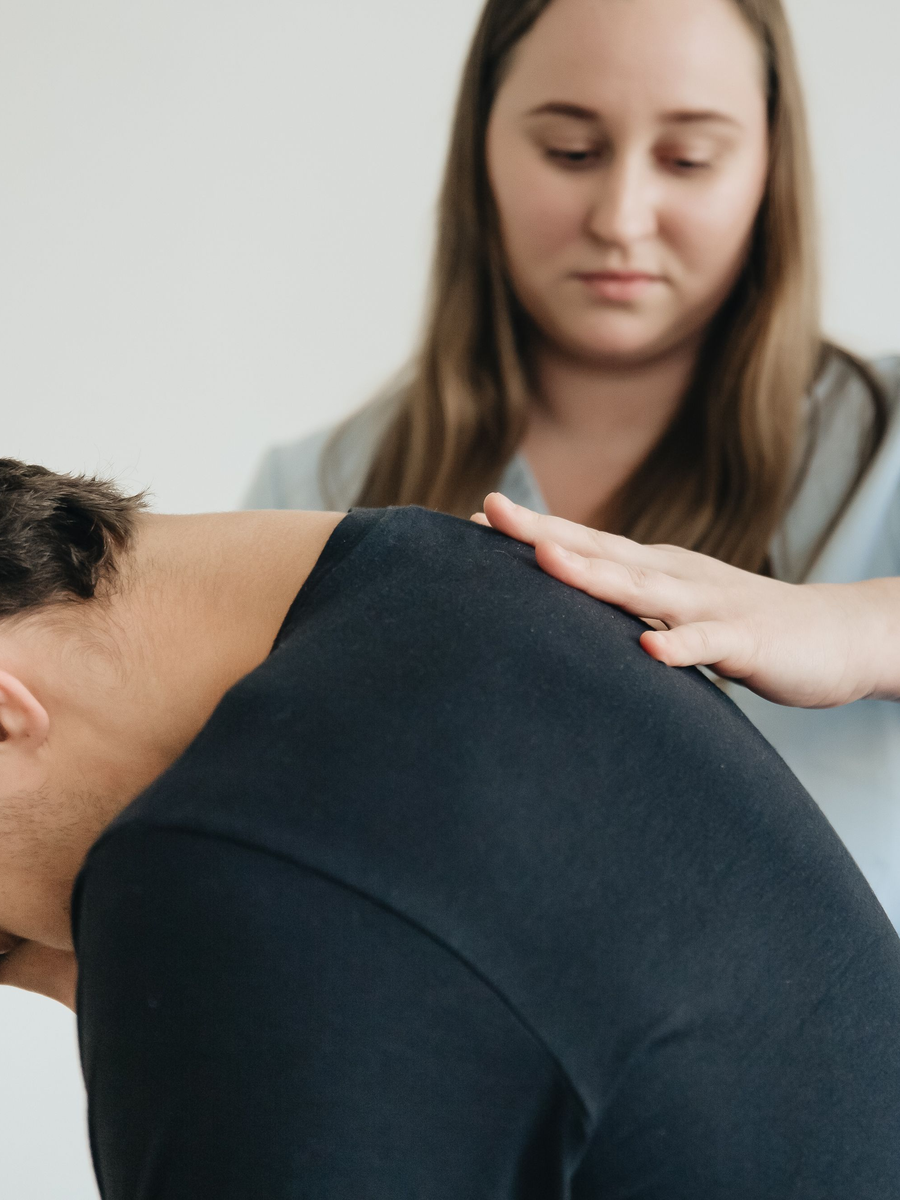
Motorized spinal decompression: a central topic that requires nuance
Motorized spinal decompression uses a controlled table to apply distraction or traction forces according to defined parameters. It is offered by some clinics for selected patients with disc herniation, disc bulging, radicular pain or certain degenerative disc presentations.
The biomechanical description of a treatment must be distinguished from the strength of its clinical evidence. Available studies use different devices, protocols and patient populations. Guidelines that assess traction broadly, including NICE guidance for low back pain with or without sciatica, do not recommend routine traction. This does not establish that a specialized motorized protocol is universally effective, nor does it prove that it can never be useful in a carefully selected case.
Indication questions
The diagnosis, symptom direction, positional tolerance, neurological integrity and contraindications should be reviewed.
Protocol questions
Force, angle, duration, progression and complementary care can affect tolerance and outcomes.
Evidence questions
Ask what outcomes are realistic, how many sessions are proposed, how improvement will be measured and when the plan will be revised.
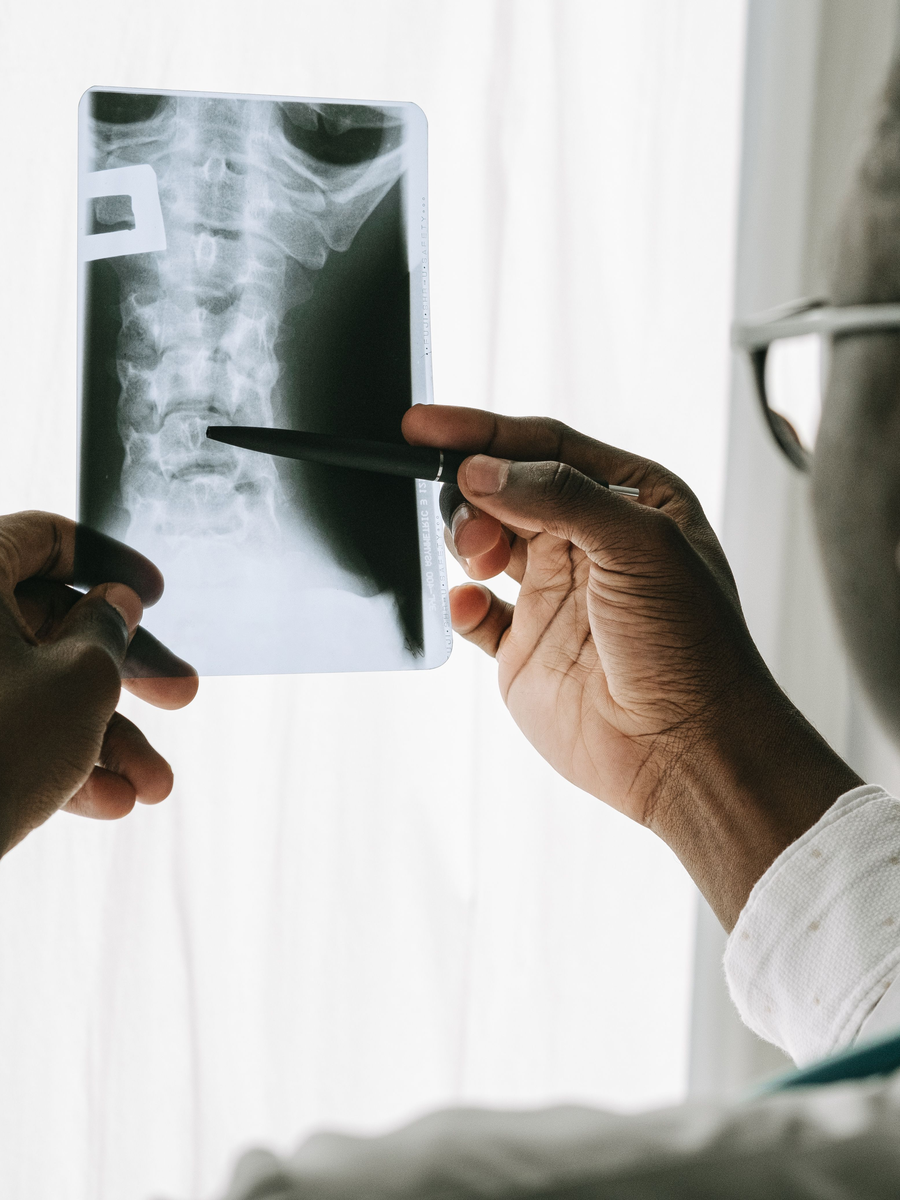
How does The Spine Page evaluate treatment claims?
A positive study does not prove that a treatment is superior in every situation. We consider methodological quality, the comparison group, effect size, follow-up duration, dropouts, adverse events and the clinical relevance of the outcomes.
- Population: do the participants resemble the patients to whom the treatment is being offered?
- Comparator: is the treatment compared with no care, placebo, exercise or another active intervention?
- Outcomes: does the study measure only pain, or also function, work, recurrence and quality of life?
- Durability: does the effect continue after the treatment sessions end?
- Transparency: are conflicts of interest, limitations and adverse events reported clearly?
Recommended specialized resources
The following links lead to external websites focused on more specific topics. The Spine Page remains an educational blog and is not the clinic providing the care.
Clinique TAGMED — spinal decompression
Information about motorized decompression, disc-related conditions and non-surgical services available in Montreal and Terrebonne.
SOS Sciatique — understand leg pain from the spine
Guides about symptoms, nerve-root patterns, warning signs and treatment options for sciatica.
Frequently asked questions about spine treatments
What is the best treatment for back pain?
There is no single answer. Recent uncomplicated low back pain is not managed in the same way as a disc herniation with weakness, spinal stenosis or a fracture. Clinical assessment, progression and functional goals determine the reasonable options.
Is an MRI always required before treatment begins?
No. Guidelines generally reserve imaging for situations in which the result is likely to change management, such as red flags, neurological deficits or persistent symptoms requiring a targeted intervention.
Does a herniated disc always require surgery?
No. Many disc herniations improve over time with conservative management. Surgery is more likely to be discussed when symptoms persist despite appropriate care, a neurological deficit progresses or an emergency is present.
Is spinal decompression the same as traction?
It uses distraction or traction forces, although motorized systems may apply more controlled cycles and parameters. A technical distinction does not replace the need to assess evidence, indications and contraindications.
How many sessions are needed to know whether a treatment is working?
That depends on the condition and the intervention. A credible plan should define measurable goals, a review date and criteria for stopping or changing the approach if pain, function or neurological findings are not improving as expected.
Is spinal manipulation appropriate for everyone?
No. It should be selected according to the clinical presentation, preferences, risks and contraindications. Some low-back-pain guidelines consider it one possible component of a program that also includes exercise.
Does bed rest speed recovery?
Prolonged bed rest is generally discouraged for common low back pain. Tolerable, gradually resumed activity is usually preferred while temporary limitations and warning signs are respected.
How can I tell whether pain is coming from a nerve?
Pain that travels into a limb with burning, electric-shock sensations, tingling, numbness or weakness may suggest nerve involvement. A neurological examination is needed to characterize it properly.
When should spinal pain be assessed quickly?
New or progressive weakness, foot drop, bladder or bowel changes, saddle numbness, major trauma, fever or spinal pain associated with an unusual decline in general health warrants prompt or urgent assessment.
Does The Spine Page provide treatment or diagnosis?
No. The Spine Page is an educational blog. It explains options and directs readers to specialized resources, but it does not replace medical consultation or personalized assessment.
Primary clinical sources
- World Health Organization — Non-surgical management of chronic primary low back pain
- NICE — Low back pain and sciatica in over 16s
- American College of Physicians — Noninvasive treatments for low back pain
- Kögl et al. — Lumbar disc herniation: significance of symptom duration and timing of surgery
Last editorial review: July 2026. This page provides general information and does not replace medical assessment.
Explore the topic most relevant to you
Read our specialized sciatica guides or explore Clinique TAGMED resources about motorized spinal decompression. These links lead to specialized external websites.
The Spine Page — Evidence-based spine treatment resources — www.thespinepage.com
Explore the main spine topic clusters
Choose a pillar page to access specialized guides, symptoms, assessment topics and management options in the same cluster.
Disc degeneration and disc-space narrowing
50 published pages in this topic cluster.
Lumbar sprain, cervical sprain and whiplash
14 published pages in this topic cluster.
Numbness, weakness and neurological symptoms
30 published pages in this topic cluster.
Specialized topics, imaging and treatment decisions
These clusters cover emergencies, surgery, fractures, imaging and less common topics that require more focused guidance.
Spinal emergencies and spinal-cord involvement
4 published pages in this topic cluster.